
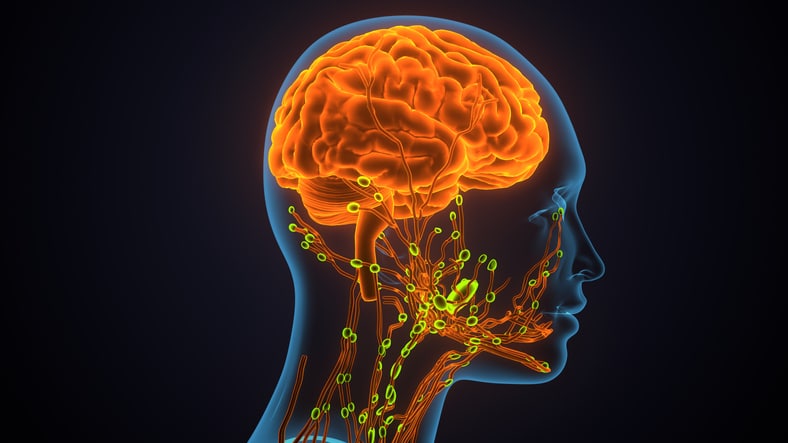
Brain Fog, Fatigue, and Mold: What Mycotoxin Testing Can (and Can’t) Tell You
The Symptom List No One Connects to Mold
“Your labs look normal.” “Maybe it’s stress.” “You’re just getting older.”
If you’ve heard some version of that while dealing with brain fog, crushing fatigue, anxiety, or digestive issues that won’t resolve, you’re not alone and you’re not imagining it. One environmental factor that rarely comes up in a standard workup is mold exposure, specifically the toxic compounds certain molds produce, called mycotoxins.
This article walks through what mycotoxins are, what the current research does and doesn’t support about their effects on the brain and gut, and how a simple at-home urine test can help you find out whether mold exposure deserves a place in your own health investigation.
What Are Mycotoxins?
Mycotoxins are toxic byproducts of certain mold species. They can turn up in water-damaged buildings, homes, schools, and workplaces; stored grains and other agricultural products; and HVAC systems and damp building materials.
Not every mold produces mycotoxins, and not everyone exposed gets sick individual response varies widely. But for people who are sensitive, researchers have studied associations between mycotoxin exposure and immune activation, oxidative stress, mitochondrial strain, and inflammatory signaling.
The Symptoms Associated With Mold Exposure
People dealing with mold-related illness commonly report brain fog and difficulty concentrating, fatigue that doesn’t improve with rest, headaches, sleep disturbances, digestive complaints, anxiety or mood changes, and sinus issues or new chemical sensitivities.
These symptoms overlap heavily with dozens of other conditions, which is exactly why mold is so often missed it rarely shows up on standard bloodwork, and there’s no single symptom that points to it specifically.
How Mycotoxins May Affect the Brain: What the Research Shows
It’s worth being precise here, because this is an area where the science is real but still developing, not settled. Notice I have bolded the important pieces to remember in this blog!
Neuroinflammation: Some studies have examined inflammatory markers in people with documented exposure to water-damaged buildings, with researchers proposing that chronic immune activation may affect cognitive function (Ratnaseelan et al., 2018; Shoemaker et al., 2006). This remains an active area of research rather than an established mechanism.
Oxidative stress: The brain has high metabolic demand and limited antioxidant reserves relative to other organs, which is part of why it’s considered a vulnerable target in toxicology. Certain mycotoxins, including trichothecenes, have been studied for their oxidative effects in laboratory and animal models (Pestka, 2010).
Mitochondrial function: Profound, rest-resistant fatigue is one of the most consistently reported symptoms in people who suspect mold-related illness. Researchers have proposed mitochondrial stress as one possible contributing mechanism, though direct human evidence is still limited.
Cognitive symptoms: Older occupational studies of mold-exposed workers documented neurobehavioral changes (Kilburn, 2003), and case-control research has found mycotoxins in some patients with chronic fatigue presentations (Brewer et al., 2013). These studies are smaller and more limited than the gold-standard research available for many other conditions, so they should be read as suggestive, not conclusive.
The honest summary: there’s a real and growing body of research connecting mold exposure to neurological and systemic symptoms, but mold-related illness (“CIRS,” biotoxin illness) is not a formally recognized diagnosis in mainstream medicine, and the mechanisms are still being worked out. That doesn’t mean the symptoms aren’t real; it means testing is a reasonable next step, not a guaranteed answer.
The Gut-Brain-Mold Connection
The gut and brain communicate constantly through the vagus nerve, neurotransmitters, immune signaling, and microbial metabolites. When one system is under stress, the other often shows it. This is one reason people with suspected mold exposure frequently report brain fog and digestive symptoms together rather than one or the other.
Environmental exposures, including mycotoxins, have been studied for their potential effects on gut barrier integrity and microbial balance, which may help explain why symptoms so often show up in both systems at once.
Why Some People Are More Affected Than Others
A common question: why does mold seem to devastate one person and barely register for another living in the same building? There’s no single answer, but proposed contributing factors include genetic differences in toxin clearance, baseline immune and inflammatory status, total toxic burden from other sources, nutritional status, and duration and intensity of exposure.
This variability is exactly why guessing doesn’t work well here and why individual testing is more useful than relying on someone else’s experience.
Could Mold Be Part of Your Story? How to Find Out
If you’ve been dealing with unexplained brain fog, fatigue, or gut issues, especially if you’ve spent time in a building with water damage, visible mold, or musty odors, testing is the most direct way to move from guessing to knowing.
The MycoTOX Mold Profile measures a panel of common mycotoxins using a simple at-home urine sample. No appointment, no waiting room, just a collection kit, a lab, and results you can review with a clinician.
See what the MycoTOX Profile tests for → Click Here
A note on what testing can and can’t do: urine mycotoxin testing detects metabolites present at the time of collection it’s one data point, not a standalone diagnosis. Results are most useful when interpreted alongside your symptoms, history, and exposure timeline, ideally with a practitioner who can help you act on them.
What a Result Actually Means and What Comes Next
A positive result doesn’t diagnose “mold illness,” and a negative result doesn’t rule mold out entirely. What it does is give you concrete information instead of speculation something to bring to a conversation with a provider, alongside your symptom history and any known exposures.
If you’d like help interpreting your results in context, our educational consultation can walk through what your numbers may mean and what reasonable next steps look like.
Order the MycoTOX Profile → Click Here
Need Help Connecting the Dots?
A lab result tells you what’s in your system. It doesn’t always tell you what to do next.
If you’re staring at a mycotoxin panel and wondering whether those numbers explain your brain fog, your fatigue, or the gut issues you’ve been white-knuckling through for months, you don’t have to figure it out alone.
Our educational consultations pair you with an expert who can walk through your results in plain language, help you understand how mold exposure may be connecting to your specific symptoms, and talk through realistic next steps — without the guesswork.
Schedule an Educational Consult →Click Here
You don’t need another stack of numbers. You need someone to help you read them.
The Bottom Line
Mold and mycotoxin exposure won’t explain every case of brain fog or fatigue, and no responsible source should tell you it will. But for people who’ve been told their labs are “normal” while still feeling far from it, an unexamined environmental exposure is a reasonable thing to rule in or out — especially one that standard panels don’t screen for at all.
You don’t have to overhaul your life around a hypothesis. You just have to test it.
References
- Brewer JH, et al. Detection of mycotoxins in patients with chronic fatigue syndrome. Toxins. 2013.
- Hope J. A review of the mechanism of injury and treatment approaches for illness resulting from exposure to water-damaged buildings. Scientific World Journal. 2013.
- Ratnaseelan AM, et al. Mold and mycotoxin exposure and brain disorders. Toxins. 2018.
- Kilburn KH. Neurobehavioral and pulmonary impairment in mold-exposed workers. Arch Environ Health. 2003.
- Straus DC. The possible role of fungal contamination in sick building syndrome. Front Biosci. 2004.
- Bennett JW, Klich M. Mycotoxins. Clin Microbiol Rev. 2003.
- Shoemaker RC, et al. Inflammatory responses in mold illness. Neurotoxicol Teratol. 2006.
- Gray MR, et al. Indoor mold exposure and neurological symptoms. Toxicol Ind Health. 2003.
- World Health Organization. WHO Guidelines for Indoor Air Quality: Dampness and Mould.
- CDC. Mold and Health.
- Pestka JJ. Deoxynivalenol-induced proinflammatory gene expression and immune modulation. Toxins. 2010.
- Sardiñas N. Mold exposure and human health. Rev Cubana Hig Epidemiol. 2002.
This article is for educational purposes only and is not intended to diagnose, treat, cure, or prevent any disease. Mold-related illness frameworks discussed here (including CIRS) are not universally recognized diagnoses in conventional medicine. Laboratory testing should be interpreted in the context of your personal medical history, symptoms, and clinical presentation, ideally with a qualified healthcare provider.
Medically reviewed by J.Dette Avalon, FNP