Vibrant Wellness:Tickborne 2.0 Panel — Lyme + Co-Infections + PCR DNA

$1,289.00

If you’ve had a tick bite—or you have lingering, relapsing symptoms and “normal” tests—this panel helps broaden the investigation beyond basic Lyme screening by combining antibody testing (IgG/IgM) with real-time PCR (DNA detection) in one comprehensive blood test.

Best for: acute illness after tick exposure, persistent/chronic symptoms, or situations where prior testing was incomplete or inconclusive.


Why this panel is different

1) Dual detection (antibodies + DNA)

Many panels rely on antibodies alone. Tickborne 2.0 pairs protein microarray IgG/IgM with PCR to look for immune response and pathogen DNA, improving the chance of catching what single-method testing can miss.

2) Broad coverage in one order

Vibrant describes this platform as testing 121 analytes, spanning Lyme, tick-borne relapsing fever (TBRF), co-infections, and opportunistic infections—a wider net than standard limited testing.

3) Clear, clinician-friendly reporting

The report typically shows:

  • PCR:Detected” or “Not Detected” (for each organism tested)

  • Antibodies (IgG/IgM): displayed as In Control / Moderate / High Risk for each antigen

This helps you and your clinician see which organisms and markers are driving the signal—not just a single “positive/negative” stamp.


What it tests for

Lyme disease group (Borrelia complex)

Includes multiple Borrelia species/markers beyond Borrelia burgdorferi, such as Borrelia mayonii and others listed in the markers menu.

Tick-Borne Relapsing Fever (TBRF)

Includes Borrelia miyamotoi and other relapsing fever species (see markers list).

Co-infections commonly missed on basic Lyme testing

Examples include:

  • Babesia (including Babesia microti and Babesia duncani)

  • Bartonella (multiple species)

  • Anaplasma (Anaplasma phagocytophilum)

  • Ehrlichia (Ehrlichia chaffeensis)

  • Rickettsia (e.g., Rickettsia rickettsii, Rickettsia typhi)


Who this test is for

Consider Tickborne 2.0 if any of the following apply:

  • You had a known or suspected tick bite and developed symptoms (with or without a classic rash)

  • Your symptoms are relapsing (they improve, then flare again)

  • You have persistent symptoms and prior testing was negative, incomplete, or didn’t include co-infections

  • You live in or travel to tick-endemic areas, spend time outdoors, or have ongoing exposure risk

Common symptom patterns people investigate with broader tickborne testing can include fatigue, brain fog, headaches, joint or muscle pain, fevers/chills, neuropathy, and more—often with significant overlap between organisms.


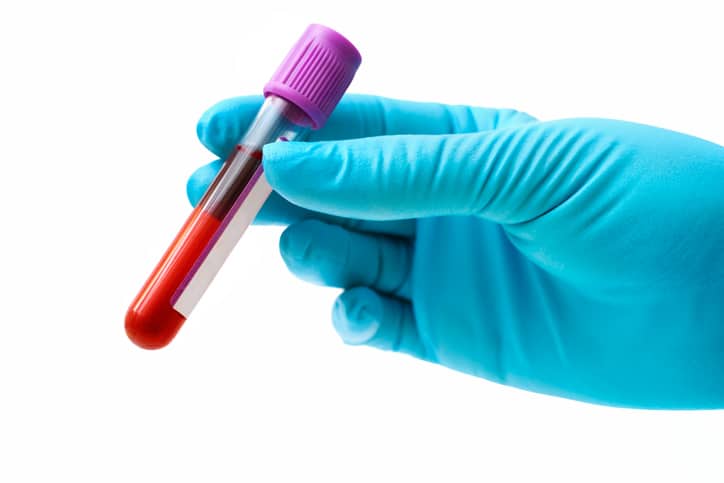
How it works (Must be a blood draw, not a dry blood spot)

  1. Order the test through MyLabsForLife.com

  2. Results emailed via secure email.

  3. Blood Draw Instructions will be mailed with a Test Requisition and specimen collection kit upon receipt of payment by MyLabsforLife.

  4. MyLabsForLife does not cover the cost of blood sample processing.

  5. Collect your sample via phlebotomy services

  6. Not available in NY
  7. Ship using the included materials

  8. Results are typically available in about 2–3 weeks

  9. Sample Report 

Understanding Test Results

We encourage you to work with your health care provider of choice when interpreting your test results.

PCR (DNA)

  • Detected = pathogen DNA was found in the blood sample

  • Not Detected = pathogen DNA was not found in the blood sample

Antibodies (IgG/IgM microarray)

  • In Control / Moderate / High Risk categories are provided for each antigen tested

Important clinical note: antibodies can reflect exposure and immune response, while PCR is a snapshot of DNA presence in that particular sample. Your clinician should interpret both in context of symptoms, timing, and prior treatment history.


Limitations (Important)

No single lab test can diagnose every tickborne illness in every person. Vibrant’s own report language emphasizes:

  • Results should be interpreted with clinical history and other diagnostic information

  • Confirmatory testing may be recommended for Moderate/High risk findings

  • The report is educational and not a substitute for medical advice

Also: if your PCR column appears blank on some reports, the lab’s help guidance indicates this can reflect that PCR results were normal (no infectious DNA present in the blood sample).


FAQ

What’s the difference between Tickborne 1.0 and Tickborne 2.0?

Tickborne 1.0 includes two panels (Lyme Plus + TBRF/Co-infections 1). Tickborne 2.0 expands to four panels (Lyme Plus + TBRF/Co-infections 1 + Co-infections 2 + Opportunistic Infections).

How long does it take to get results?

Vibrant’s general infections testing flow states results are typically provided to the provider in 2–3 weeks.

Does this test diagnose Lyme disease?

This is an advanced testing panel intended to support clinical evaluation. Interpretation should be done by a licensed clinician, and additional testing may be needed depending on results and symptoms.

Why test for co-infections?

Co-infections can influence symptom patterns and may be missed when testing only looks for Lyme. Vibrant’s materials emphasize broader detection to help differentiate overlapping infections.