
What Are Normal TSH Levels? (And Why That’s the Wrong Question)
Understanding TSH: Your Thyroid’s Gas Pedal
Let’s start with the basics because you can’t understand the controversy without knowing what we’re even talking about.
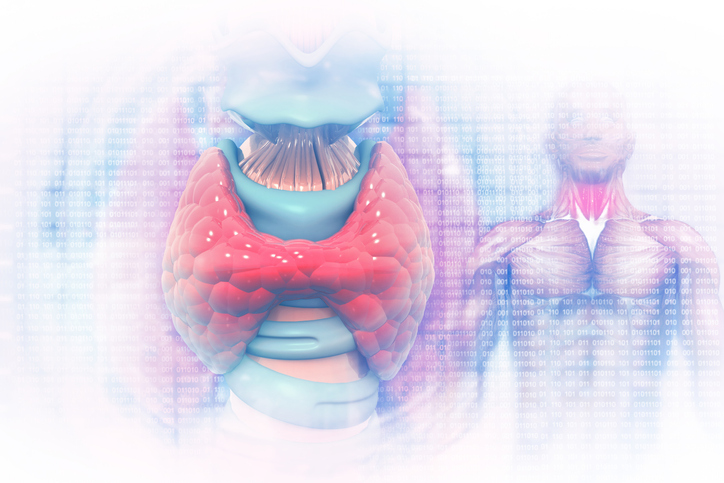
Thyroid Stimulating Hormone (TSH) is produced by your pituitary gland—that pea-sized control center at the base of your brain. TSH acts as the gas pedal for your thyroid gland.
How the TSH Gas Pedal Works
Think of it like driving a car:
When TSH levels are HIGH:
- Your pituitary is pressing hard on the gas pedal, shouting “More thyroid hormone, please!”
- Your thyroid can’t produce enough T4 (thyroxine)
- This indicates hypothyroidism (underactive thyroid)
- It’s like your body desperately calling for more heat, but the furnace can’t keep up
When TSH levels are LOW:
- Your pituitary has completely let off the gas pedal, saying “No more! We have enough!”
- Your thyroid is producing too much T4
- This indicates hyperthyroidism (overactive thyroid)
- It’s like your body screaming to turn down the heat, but the furnace keeps blasting
Why TSH Testing Matters
The TSH level test is the most common screening tool for thyroid dysfunction. In fact, it’s now recognized as being more sensitive than T4 testing alone for detecting both hypothyroidism and hyperthyroidism [1].
Translation: If you’re only going to run one thyroid test, TSH is usually where doctors start.
But here’s where things get interesting (and frustrating)…
The Great TSH Debate: Medical Organizations Can’t Agree on “Normal”
So you get your TSH test results back. The first question anyone asks is: “Is this normal?”
Unfortunately, there’s no consensus on exactly what “normal” TSH levels actually are. And by “no consensus,” I mean major medical organizations are throwing different numbers around like they’re guessing at your weight at a carnival.
The Competing “Normal” TSH Ranges
Here’s what different medical authorities claim:
0.45 – 5.5 mIU/L
- Historically, this has been the “normal” range [1, 2, 3]
- Still used by many labs and doctors today
- Quite frankly, this range is about as useful as a chocolate teapot
0.45 – 4.5 mIU/L
- In 2008, the Endocrine Society and American Medical Association adopted this range [1, 2, 3]
- Slightly better, but still leaves millions of people suffering with “normal” results
< 3.0 mIU/L
- The American Association of Clinical Endocrinologists now recommends this as an upper limit [3]
- Getting warmer, but we’re not quite there yet
< 2.5 mIU/L
- National Academy of Clinical Biochemistry suggests this upper limit [4]
- Based on the fact that 95% of truly healthy individuals have TSH levels below 2.5 [5]
- Now we’re talking actual science
What This Means for You (Hint: It’s Frustrating)
These are major biological and medical organizations that have wildly different opinions about what constitutes normal TSH levels.
The practical result? Depending on which camp your healthcare provider falls into, they might tell you:
- “Everything looks normal” (when your TSH is 4.8)
- OR a different provider might diagnose you with hypothyroidism (same TSH of 4.8)
Same patient. Same test result. Completely different conclusions.
It’s like asking three mechanics to diagnose your car’s problem and getting three entirely different answers. Except this is your body, not your Honda.
Why “What Is Normal TSH?” Is the Wrong Question
Not only is there little consensus about what the “normal” limit of TSH actually is, but here’s the bigger problem: it’s the wrong question entirely.
The question you should be asking is:
“What Are FUNCTIONAL TSH Levels?”
There’s a critical difference here:
“Normal” questions whether something is abnormal or diseased
“Functional” addresses whether your thyroid is working optimally
It’s the difference between asking “Am I sick?” versus “Am I thriving?”
The School Grade Analogy
Think of it like getting grades in school:
- A “D” isn’t a failing grade—it’s technically “passing” or “normal”
- But do you want a D? Does a D mean you’re performing well?
- Of course not. You want an A or B.
The same principle applies to your thyroid function.
A TSH level of 4.0 might be considered “normal” by medical standards. But that doesn’t mean you’re going to feel good. That doesn’t mean your thyroid is functioning optimally. That doesn’t mean you’re thriving.
Optimal TSH Levels: What Functional Medicine Recommends
Along with most functional medicine providers, we suggest that an optimal range for functional TSH levels is 1.0 – 2.0 mIU/L.
This isn’t pulled out of thin air. Here’s why this range matters:
The Science Behind Functional TSH Ranges
✓ Cardiovascular Protection Studies have found that TSH levels above 2.0 may be associated with increased cardiovascular risk factors [6]. Your heart doesn’t care if your TSH is “technically normal”—it cares if your thyroid is functioning optimally.
✓ Lowest Incidence of Thyroid Dysfunction Research shows that TSH between 1.0 and 2.0 is associated with the lowest incidence of developing abnormal thyroid function over time [7]. Think of this range as the sweet spot where your thyroid is humming along perfectly.
✓ How You Actually Feel Functional medicine aims to establish which TSH levels allow you to feel your healthiest. A TSH of 4.0 might not raise red flags in a conventional medical office, but if you’re exhausted, gaining weight, depressed, and foggy-brained, does “normal” really matter?
“My TSH Is Normal But I Feel Terrible”—Now What?
This is probably the most common complaint we hear: “My doctor says my TSH levels are normal (like 4.3), but I still feel awful.”
Sound familiar?
You’re Not Crazy, You’re Suboptimal
If you’re in this frustrating boat, here’s what you need to know:
You now understand functional ranges. Your TSH of 4.3 might be “normal” by outdated standards, but it’s nowhere near optimal.
You’re not married to your provider. If your doctor dismisses your symptoms because your labs are “normal,” it’s time to consider your options:
Action Steps When You’re “Normal” But Miserable
1. Get a Second Opinion Find a healthcare provider who understands functional medicine and optimal ranges. They exist, and they’re worth the search.
2. Retest Your TSH TSH levels fluctuate throughout the day and in response to various factors (stress, infections, inflammation, sleep quality). A single test is like judging a movie by one scene. Retest to establish a more accurate baseline.
3. Order Comprehensive Thyroid Testing TSH alone doesn’t tell the whole story. You need a complete thyroid panel:
- Free T3 (active thyroid hormone)
- Free T4 (thyroid hormone precursor)
- Reverse T3 (inactive form that can block T3)
- Thyroid antibodies (TPO and TG for autoimmune issues)
4. Trust Your Body Remember: you know how your body feels better than anyone else. If something doesn’t feel right, your provider should help you get to the bottom of it—not dismiss you with “everything’s normal.”
Take Control: Order Comprehensive Thyroid Testing with MyLabsForLife
Tired of waiting for a doctor’s appointment? Frustrated with providers who dismiss your symptoms? Want to see your actual numbers without the runaround?
MyLabsForLife Puts You in Control of Your Thyroid Health
Why Choose MyLabsForLife for Thyroid Testing?
✓ No Doctor’s Order Required – Order comprehensive thyroid panels directly
✓ Complete Thyroid Analysis – TSH, Free T3, Free T4, Reverse T3, and antibodies
✓ Fast Results – Get your results in 7-10 days
✓ Affordable Pricing – No insurance hassles or surprise bills
✓ Easy Collection – Visit a local lab or use at-home collection
✓ Educational Resources – Understand your results with clear explanations
✓ Track Over Time – Monitor your thyroid health with follow-up testing
What You’ll Get With MyLabsForLife Thyroid Testing
Complete TSH Analysis:
- Precise measurement of your thyroid stimulating hormone
- Reference ranges showing both “normal” and optimal levels
- Clear explanation of what your numbers mean
Full Thyroid Panel Options:
- Basic Panel: TSH + Free T4
- Comprehensive Panel: TSH, Free T3, Free T4, Reverse T3
- Complete Panel: Everything above + TPO and Thyroglobulin antibodies
Actionable Results:
- Easy-to-understand reports
- Identification of suboptimal levels even if “technically normal”
- Resources for discussing results with your healthcare provider
🔬 Order Your Thyroid Test Today
Stop accepting “normal” when you deserve optimal.
👉 Order Thyroid Testing at MyLabsForLife.com
Use code THYROID20 for 20% off your first thyroid panel
Understanding TSH Fluctuations: Why Retesting Matters
Here’s something most doctors won’t tell you: TSH levels fluctuate throughout the day and over time.
Factors That Affect TSH Levels
Your TSH isn’t static. It changes in response to:
- Time of day (TSH is typically highest in early morning, lowest in afternoon)
- Infections (acute illness can temporarily alter TSH)
- Stress levels (chronic stress affects thyroid function)
- Sleep quality (poor sleep disrupts thyroid regulation)
- Inflammation (systemic inflammation impacts thyroid)
- Medications (biotin supplements, steroids, and others can interfere)
- Seasonal changes (some people show seasonal TSH variations)
The Retest Study You Should Know About
In a 2007 study published in the Archives of Internal Medicine, researchers found something fascinating:
Over 50% of patients with abnormal TSH levels on their first test had normal TSH levels when retested at a later date [8].
Let that sink in. Half of “abnormal” results normalize on their own.
What this means:
- If your TSH isn’t functional right now, it might return to healthy levels over time
- One test doesn’t define your thyroid status
- Serial testing provides a much clearer picture
The point is: if everything isn’t beautiful in thyroid paradise when you first get tested, don’t panic. Wait and retest after addressing potential factors (stress, inflammation, sleep, nutrient deficiencies).
Of course, this is something your healthcare provider should discuss with you. If they don’t bring it up, you might want to mention it and see what they think. (Or find a provider who already knows this.)
Why TSH Testing Alone Isn’t Enough
Here’s a dating analogy that actually makes sense:
You don’t marry someone after the first date.
In the same way, TSH testing should never be used alone to assess your thyroid.
TSH Is a Screening Tool, Not the Whole Story
Think of TSH as the smoke detector in your house. It alerts you when something might be wrong, but it doesn’t tell you:
- Where the fire is
- How big it is
- What’s causing it
- How to put it out
TSH tests are helpful as a screening tool for thyroid function. But you need further thyroid tests for a comprehensive picture:
Free T3 Test:
- Measures active thyroid hormone (the form your cells actually use)
- Low T3 explains fatigue, depression, weight gain even with “normal” TSH
- Critical for understanding conversion issues
Free T4 Test:
- Measures thyroid hormone precursor
- Shows if your thyroid is producing enough raw material
- Helps differentiate thyroid vs. pituitary problems
Reverse T3 Test:
- Measures inactive thyroid hormone that blocks T3 receptors
- Elevated in chronic stress, inflammation, illness
- Explains why you feel hypothyroid despite normal TSH and T4
Thyroid Antibody Tests (TPO and Thyroglobulin):
- Detects Hashimoto’s thyroiditis (autoimmune hypothyroidism)
- Can be positive years before TSH becomes abnormal
- Critical for understanding root cause and preventing progression
The Complete Picture Approach
Scenario 1: “Normal” TSH but Low Free T3 Your thyroid is producing T4, but you’re not converting it to active T3. TSH looks fine, but you feel terrible. This is a conversion problem, not a production problem.
Scenario 2: “Normal” TSH but High Reverse T3 Your body is shunting thyroid hormone into inactive form (often due to chronic stress or inflammation). TSH won’t catch this.
Scenario 3: “Normal” TSH but Positive Antibodies You have autoimmune thyroiditis, but your thyroid is still compensating. TSH hasn’t caught up to the problem yet. Early intervention can slow progression.
MyLabsForLife offers all these tests—individually or in comprehensive panels—so you can see the complete picture, not just one piece of the puzzle.
Additional Thyroid Resources: Go Deeper
If you’re looking for more comprehensive information about TSH, thyroid function, and thyroid disease, check out these in-depth resources:
Recommended Reading
Thyroid Warrior: Symptoms of Hypothyroidism and How to Reclaim Your Health
- Complete guide to hypothyroid symptoms beyond just fatigue
- Natural approaches to supporting thyroid function
- How to advocate for yourself with healthcare providers
T4 Test Overview: Understanding Thyroxine Levels
- Deep dive into T4 testing
- What high and low T4 really mean
- How T4 relates to your symptoms
What If My TSH Levels Are High? A Complete Guide
- Understanding hypothyroidism diagnosis
- Treatment options (conventional and functional)
- Lifestyle interventions that support thyroid health
- When to test TSH
- How to prepare for accurate results
- Interpreting results in context
What If Your TSH Levels Are High?
If your TSH is elevated (above 2.0, or definitely above 4.5), here’s what you need to know:
Understanding High TSH
TSH > 2.0 but < 4.5:
- Subclinical hypothyroidism or “thyroid on the edge”
- Many functional medicine practitioners treat at this level
- Excellent time for lifestyle intervention
TSH > 4.5:
- Clinical hypothyroidism by most standards
- Conventional medicine will usually treat at this level
- Medication may be necessary, combined with lifestyle support
TSH > 10:
- Definite hypothyroidism requiring treatment
- Left untreated, can lead to serious complications
- Comprehensive approach needed
What Causes High TSH?
Common factors include:
- Hashimoto’s thyroiditis (autoimmune thyroid disease)
- Iodine deficiency (less common in developed countries)
- Nutrient deficiencies (selenium, zinc, vitamin D, B vitamins)
- Chronic stress (suppresses thyroid function)
- Environmental toxins (like glyphosate—see our other articles)
- Medications (lithium, amiodarone, interferon)
- Thyroid surgery or radiation
- Pituitary dysfunction (rare)
Next Steps If Your TSH Is High
1. Retest to Confirm One high result doesn’t necessarily mean chronic hypothyroidism. Retest in 4-6 weeks.
2. Get Complete Thyroid Panel Order Free T3, Free T4, Reverse T3, and antibodies through MyLabsForLife to understand the full picture.
3. Test for Nutrient Deficiencies Check vitamin D, B12, iron/ferritin, selenium, and zinc—all crucial for thyroid function.
4. Address Lifestyle Factors
- Reduce stress through meditation, yoga, or therapy
- Optimize sleep (7-9 hours nightly)
- Eliminate gluten if antibodies are positive (Hashimoto’s connection)
- Support gut health (thyroid-gut connection is real)
- Reduce exposure to environmental toxins
5. Work with a Knowledgeable Provider Find someone who understands functional thyroid treatment, not just TSH normalization.
The Bottom Line: Know Your Numbers, Trust Your Body
Here’s what you need to remember about TSH levels:
Key Takeaways
1. “Normal” ≠ Optimal Medical “normal” ranges are too broad. Functional optimal is 1.0-2.0 mIU/L.
2. Medical Organizations Don’t Agree TSH “normal” ranges vary from <2.5 to <5.5 depending on who you ask. This isn’t your problem—it’s theirs.
3. Your Symptoms Matter More Than Numbers If you feel terrible, something is wrong—even if your TSH is “normal.”
4. TSH Alone Isn’t Enough You need Free T3, Free T4, Reverse T3, and antibodies for the complete picture.
5. TSH Fluctuates One test is a snapshot. Multiple tests over time provide clarity.
6. You Have Options Direct-to-consumer testing through MyLabsForLife puts you in control.
Don’t Accept “Everything’s Normal” When You Feel Anything But
Your thyroid health is too important to leave to outdated reference ranges and dismissive doctors.
Test comprehensively. Understand your results. Optimize your health.
Order Your Comprehensive Thyroid Panel Today
Ready to stop guessing and start knowing?
🔬 Get Complete Thyroid Testing with MyLabsForLife
Choose Your Panel:
Thyroid Essentials – TSH + Free T4
Thyroid Complete – TSH, Free T3, Free T4, Reverse T3
Thyroid Advanced – Everything above + TPO & Thyroglobulin Antibodies
👉 Order Now at MyLabsForLife.com
Use code THYROID20 for 20% off your first panel
Frequently Asked Questions About TSH Testing
Q: Should I test TSH in the morning or afternoon? A: TSH is highest in early morning (around 8 AM) and lowest in afternoon. For consistency, test at the same time of day, preferably morning, when comparing results over time.
Q: Do I need to fast before a TSH test? A: Fasting isn’t required for TSH testing, though some providers prefer it. However, if you’re testing a full thyroid panel with other markers, fasting may be recommended.
Q: Can biotin supplements affect my TSH test? A: Yes! Biotin (vitamin B7) can interfere with thyroid testing, causing falsely low TSH results. Stop biotin supplements at least 72 hours before testing.
Q: How often should I retest TSH? A: If levels are optimal and stable, annual testing is sufficient. If levels are suboptimal or you’re starting treatment, retest every 6-8 weeks until stable, then every 3-6 months.
Q: Can stress affect my TSH levels? A: Absolutely. Chronic stress suppresses thyroid function and can elevate TSH. Acute stress can cause temporary fluctuations. This is why retesting is important.
Q: My TSH is 2.8—should I be concerned? A: It’s in the “normal” range but not optimal. If you have symptoms (fatigue, weight gain, depression, brain fog), you may benefit from further testing and optimization.
Q: Will MyLabsForLife results be accepted by my doctor? A: MyLabsForLife uses CLIA-certified labs, the same professional laboratories used by hospitals and clinics. Results are medically valid and accepted by healthcare providers.
Q: What if my results show a problem? A: MyLabsForLife provides clear explanations of results and resources. Take your results to a healthcare provider for treatment recommendations. Consider finding a functional medicine practitioner if your current provider is dismissive.
Your Path to Enhanced Cellular Wellness Starts Here
Thank you for reading—and thank you for taking your thyroid health seriously.
You deserve more than “everything’s normal” when you feel anything but normal.
Understanding the difference between normal TSH ranges and optimal functional ranges empowers you to advocate for your health. Testing comprehensively gives you the data you need. Working with the right provider ensures you get appropriate treatment.
Don’t settle for mediocre when optimal is possible.
Your thyroid controls your metabolism, energy, mood, cognition, body temperature, and so much more. When it’s not functioning optimally, your entire life suffers.
Start with testing. Move toward optimal. Reclaim your health.
👉 Order Your Thyroid Panel at MyLabsForLife.com
Use code THYROID20 for 20% off
Health Disclaimer & Legal Information
Medical Disclaimer:
The statements on this site have not been evaluated by the Food and Drug Administration. Any health education or products mentioned or discussed on this site are not intended to diagnose, treat, cure, or prevent any disease. The information on this site is not intended to be a substitute for professional medical advice.
Important Notes:
It is recommended the reader of this site consult with a qualified health care provider of their choice when using any information obtained from this site, affiliate sites, and other online websites and blogs. Please consult your health care provider before making any healthcare decisions or for guidance about a specific medical condition.
The health-related and medical information on this site is provided as an information resource only, and is not to be used or relied on for any diagnostic or treatment purposes. This information is not intended to be patient education, does not create any patient-physician, client-nurse practitioner, or patient-pharmacist relationship, and should not be used as a substitute for professional diagnosis and treatment.
Service Information:
You understand the service provided by My Labs For Life, LLC is a service provided at your request and not suggested by our medical director or education staff.
Evidence-Based and Theoretical Information:
In concert with evidence-based information, this site proposes certain theoretical methods of functional and nutritional support that may not be supported by conventional or mainstream medicine. Any information obtained from this site is left to the discretion and is the sole responsibility of the user of this site.
Liability Waiver:
The contributors of this site cannot be held responsible for the information or any inadvertent errors or omissions of the information. By visiting this site you agree to the foregoing terms and conditions, which may from time to time be changed or supplemented. If you do not agree to the foregoing terms and conditions, you should not enter this site.
The contributors of this site shall have no liability for any damages, loss, injury, or liability whatsoever suffered as a result of your reliance on the information contained in this site.
References & Scientific Citations
[1] Fatourechi, V. (2009). Subclinical hypothyroidism: an update for primary care physicians. Mayo Clinic Proceedings, 84(1), 65-71.
[2] Guan, H., Shan, Z., Teng, X., et al. (2008). Influence of iodine on the reference interval of TSH and the optimal interval of TSH: results of a follow-up study in areas with different iodine intakes. Clinical Endocrinology (Oxford), 69(1), 136-41.
[3] American Association of Clinical Endocrinologists. Subclinical thyroid disease. Clinical practice guidelines.
[4] Baloch, Z., Carayon, P., Conte-Devolx, B., et al. (2003). Laboratory medicine practice guidelines. Laboratory support for the diagnosis and monitoring of thyroid disease. Thyroid, 13(1), 3-126.
[5] Wartofsky, L., & Dickey, R.A. (2005). The evidence for a narrower thyrotropin reference range is compelling. Journal of Clinical Endocrinology & Metabolism, 90(9), 5483-8.
[6] Benvenga, S., Ruggeri, R.M., Russo, A., Lapa, D., Campenni, A., & Trimarchi, F. (2001). Usefulness of L-carnitine, a naturally occurring peripheral antagonist of thyroid hormone action, in iatrogenic hyperthyroidism: a randomized, double-blind, placebo-controlled clinical trial. Journal of Clinical Endocrinology & Metabolism, 86(8), 3579-94.
[7] Teng, W., Shan, Z., Teng, X., Guan, H., Li, Y., Teng, D., et al. (2006). Effect of iodine intake on thyroid diseases in China. New England Journal of Medicine, 354(26), 2783-93.
[8] Meyerovitch, J., Rotman-Pikielny, P., Sherf, M., et al. (2007). Serum thyrotropin measurements in the community: five-year follow-up in a large network of primary care physicians. Archives of Internal Medicine, 167(14), 1533-8.
Ready to understand your thyroid? Order your test from MyLabsForLife now.
Because you deserve optimal, not just “normal.”