
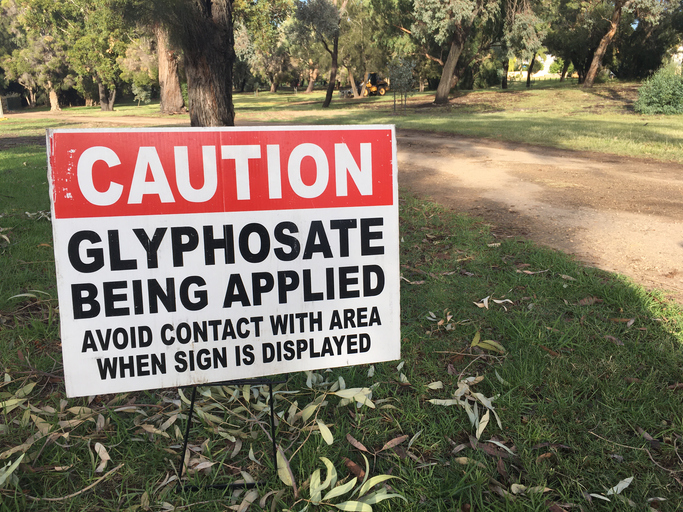
Would You Give Your Child a Cookie Laced with Glyphosate?
The Silent Toxin Hiding in Your Food, Water, and Body
If someone offered your child a cookie containing a known toxin, you’d refuse without hesitation. But here’s the uncomfortable truth: you’re likely already saying yes every single day. Glyphosate—the world’s most widely used herbicide—isn’t just on our food. It’s in our food, in our water, in the air we breathe, and yes, it’s in your body right now.
Why You Should Care About Glyphosate Toxicity
Before you dismiss this as another health scare, let me address the skepticism you’re probably feeling right now. I was skeptical too.
“Really? It can’t be that bad, can it?”
This is the natural response when confronting uncomfortable truths about our food supply. After all, the FDA releases “safety” reports every year claiming glyphosate poses no significant health risk. Major biotech companies echo this message relentlessly. But here’s what should give you pause: the former head of the FDA for eight years was a Vice President at one of these biotech giants. Conflict of interest? You decide.
The growing body of scientific evidence tells a very different story. And the parallels to other toxins throughout history are impossible to ignore.
Glyphosate Toxicity and Deterioration of Health: The Cigarette Parallel
Remember cigarettes in the 1950s and early 1960s?
Health organizations declared them “not harmful” despite mounting evidence. Surgeons smoked in operating rooms. Cyclists lit up during the Tour de France. Cigarettes were even marketed as an asthma treatment. It took decades of overwhelming research and public outrage before the Surgeon General finally released his landmark health report in 1964.
Today, we know cigarettes cause cancer, heart disease, diabetes, and countless other conditions. Yet even now, tobacco companies maintain cigarettes aren’t harmful.
Glyphosate is the cigarette of our generation—with one terrifying difference: you can choose not to smoke, but you cannot avoid glyphosate.
This herbicide toxin is:
- In 90% of agricultural crops in the United States
- In your drinking water
- In the air you breathe
- In children’s formula and breast milk
- In tampons and cotton products
- Even in vaccines (from gelatin derived from animals fed GMO crops)
This isn’t a distant problem. It’s in-your-face, and it’s affecting your health right now.
Understanding ICD-10 Medical Codes: The System Knows Glyphosate is Toxic
Here’s something that should make you sit up and pay attention.
ICD-10 codes are the standardized diagnostic codes healthcare providers use to identify diseases and health problems. The FDA reviews and approves every single code. There are codes for everything imaginable—terrorism injuries, cigarette-related complications, even “W61.33” for being pecked by a chicken.
There’s also an ICD-10 code for toxic effects from herbicide and fungicide exposure: T60.3X1A.
Let that sink in. The FDA officially recognizes that herbicide exposure—including glyphosate—causes toxic effects worthy of a medical billing code. Yet here’s the kicker:
Most insurance companies refuse to cover glyphosate testing.
Think about that contradiction. The FDA acknowledges glyphosate toxicity exists. Healthcare providers can bill for herbicide poisoning. But insurance companies won’t pay to test for it, and the FDA conveniently skips testing food for glyphosate residue while testing for every other herbicide.
Why the roadblock? What don’t they want you to know?
How Glyphosate Works: Understanding the Toxic Mechanism
Contrary to popular belief, glyphosate doesn’t kill plants directly. Understanding its mechanism reveals why this toxin is so insidious for human health.
The Shikimate Pathway: Your Body’s Missing Link
Glyphosate acts as a chelator—it binds to and suppresses the chemical activity needed to synthesize three essential amino acids:
- Tryptophan (precursor to serotonin, affects mood and sleep)
- Phenylalanine (crucial for neurotransmitter production)
- Tyrosine (necessary for thyroid hormones and stress response)
These amino acids are created through a seven-step metabolic process called the Shikimate pathway, found in plants, bacteria, and fungi—but not in humans or animals.
Here’s where it gets critical:
- Plants use the Shikimate pathway to make these three amino acids
- Glyphosate disrupts this pathway, preventing nutrient synthesis
- Without these nutrients, plants become vulnerable and die from disease
- Humans don’t have this pathway, so we must get these amino acids from our diet
- Scientists initially thought glyphosate would be harmless to humans because we lack the Shikimate pathway
They were catastrophically wrong.
Why Glyphosate is Poisonous to Humans: The Gut Microbiome Connection
Here’s the game-changer that researchers missed:
Your gut microbiome contains billions of bacteria that DO use the Shikimate pathway.
These beneficial bacteria in your digestive system are essential for:
- Producing the very amino acids glyphosate blocks
- Synthesizing vitamins and nutrients
- Regulating your immune system
- Protecting against pathogens
- Maintaining the gut lining integrity
When you ingest glyphosate, it doesn’t just pass through harmlessly. It actively disrupts your gut bacteria’s ability to produce the essential amino acids your body desperately needs. It’s like introducing AIDS for your beneficial bacteria.
The Toxic Cascade Effect
The disruption of gut bacteria creates a domino effect:
- Amino acid deficiency: Your body lacks building blocks for neurotransmitters, hormones, and proteins
- Leaky gut syndrome: Damaged gut lining allows toxins into bloodstream
- Chronic inflammation: Immune system constantly fighting internal threats
- Nutrient malabsorption: Even healthy food can’t be properly utilized
- Dysbiosis: Harmful bacteria overgrow when beneficial bacteria are suppressed
This explains the explosion of health conditions correlating with increased glyphosate use:
- Autism spectrum disorders
- Depression and anxiety
- Celiac disease and gluten sensitivity
- Inflammatory bowel disease
- Alzheimer’s and Parkinson’s disease
- Diabetes and obesity
- Cancer (particularly non-Hodgkin’s lymphoma)
- Reproductive and developmental issues
How Poisonous is Glyphosate? The Evidence of Toxicity
Let’s be clear about the toxicity levels we’re discussing.
Bioaccumulation: The Silent Build-Up
Glyphosate doesn’t require massive exposure to cause harm. The toxin accumulates in your body over time through:
- Daily dietary exposure: Small amounts in every meal from conventional produce, grains, and meat
- Water contamination: Municipal water supplies and well water
- Environmental exposure: Lawn treatments, agricultural drift, occupational exposure
- Product contamination: Cotton products, processed foods, supplements
Studies show glyphosate residue in:
- 93% of urine samples tested in urban populations
- Over 70% of non-organic foods including bread, crackers, cereals, and oats
- Childhood vaccines due to gelatin from animals fed GMO crops
- Organic foods at lower levels due to spray drift and water contamination
The Toxicity Data
Research demonstrates glyphosate causes:
- Endocrine disruption at parts-per-trillion levels (equivalent to one drop in 20 Olympic swimming pools)
- DNA damage in human cells at levels far below agricultural use
- Oxidative stress that damages cellular structures
- Liver and kidney toxicity in animal studies
- Carcinogenic effects classified by the WHO’s International Agency for Research on Cancer as “probably carcinogenic to humans”
Insurance companies argue glyphosate exposure doesn’t constitute a health risk “at any level.” Ask yourself: if someone sprayed you down with Roundup, would you be fine? What if you consumed small amounts with every meal for the next ten years?
The answer is obvious—and it’s exactly what’s happening to you and your family right now.
Glyphosate Exposure and Mental Health: The Neurotoxin Connection
One of the most disturbing aspects of glyphosate toxicity is its impact on mental health and neurological function.
Remember those three essential amino acids glyphosate blocks? They’re not just for physical health:
Tryptophan and Serotonin
Tryptophan is the sole precursor to serotonin, your “happiness” neurotransmitter. When glyphosate disrupts gut bacteria production of tryptophan, it directly impacts:
- Mood regulation
- Sleep quality
- Anxiety levels
- Depression risk
- Impulse control
Phenylalanine and Tyrosine
These amino acids create dopamine, norepinephrine, and epinephrine—crucial for:
- Focus and attention
- Motivation and drive
- Stress response
- Memory formation
- Executive function
The correlation between rising glyphosate use and skyrocketing rates of depression, anxiety, ADHD, and autism isn’t coincidental. While we need more research to establish direct causation, the biological mechanism is clear and concerning.
Testing for Glyphosate: Know Your Toxic Load
Given the overwhelming evidence of glyphosate toxicity and its unavoidable presence in our environment, testing becomes crucial for protecting your health.
Why You Need to Test for Glyphosate
You cannot manage what you don’t measure.
Testing reveals:
- Your current toxic burden
- Whether dietary changes are reducing exposure
- If detox protocols are working
- Your family’s risk levels
- Baseline data for future health decisions
Get Tested with MyLabsForLife
Despite insurance company resistance, you can take control of your health by ordering glyphosate testing through MyLabsForLife.
MyLabsForLife offers:
- Convenient at-home collection or visit a local lab
- Accurate urine testing for glyphosate levels
- No doctor’s order required for testing
- Clear, understandable results with reference ranges
- Affordable pricing without insurance complications
- Educational resources to help you reduce exposure
Don’t wait for insurance companies or regulatory agencies to catch up with the science. Test now and know where you stand.
Order Your Glyphosate Test from MyLabsForLife Today →
Glyphosate in Your System: How to Decrease Exposure and Detox
Once you understand your glyphosate levels through testing, you can take targeted action to reduce your toxic burden.
Minimizing Glyphosate Exposure
Dietary Changes:
- Buy organic produce, especially for high-use crops (oats, wheat, corn, soy, sugar beets)
- Choose grass-fed, organic meat from animals not fed GMO crops
- Filter your drinking water with reverse osmosis or quality carbon filters
- Avoid processed foods containing conventional corn, soy, and canola oil
- Read labels and choose certified organic when possible
Environmental Protection:
- Stop using glyphosate-based herbicides on your lawn and garden—period
- Choose organic cotton products (clothing, tampons, diapers)
- Wash all produce thoroughly, even organic varieties
- Support local organic farmers who don’t use glyphosate
- Advocate for glyphosate bans in your community
Detoxification Support
Supporting your body’s natural detox pathways:
- Restore gut health: Probiotics, fermented foods, prebiotic fiber
- Support liver function: Cruciferous vegetables, milk thistle, glutathione
- Bind and remove toxins: Activated charcoal, bentonite clay, chlorella
- Stay hydrated: Pure water helps flush toxins through kidneys
- Sweat regularly: Sauna use and exercise mobilize stored toxins
- Supplement wisely: Amino acids, B-vitamins, minerals to replace what’s depleted
Test, don’t guess: Retest your glyphosate levels after implementing changes to confirm your protocols are working. MyLabsForLife makes follow-up testing simple and affordable.
How We Are Exposed to Glyphosate: Understanding All Pathways
Understanding every exposure pathway helps you make informed decisions about risk reduction.
Primary Exposure Routes
1. Direct Food Contamination Over 90% of U.S. agricultural crops use glyphosate. Highest residue levels found in:
- Oats and oat products (granola, oatmeal, energy bars)
- Wheat products (bread, pasta, crackers, cereals)
- Legumes (beans, lentils, chickpeas—dried for faster harvest)
- Corn and corn-based products
- Soy products (tofu, edamame, soy milk)
- Non-organic produce
2. Animal Products Glyphosate bioaccumulates in animals fed GMO crops:
- Conventional meat (beef, pork, chicken)
- Dairy products (milk, cheese, yogurt)
- Eggs from conventionally-raised chickens
- Farmed fish fed corn/soy-based feed
3. Water Contamination Agricultural runoff contaminates:
- Municipal water supplies
- Well water in farming communities
- Rivers, streams, and lakes
- Groundwater aquifers
4. Airborne Exposure Glyphosate becomes airborne through:
- Agricultural spraying (drift can travel miles)
- Lawn and garden application
- Dust from fields during dry seasons
5. Product Contamination Unexpected sources include:
- Cotton products (tampons, pads, diapers, cotton balls, bandages)
- Vaccines containing gelatin
- Nutritional supplements (unless certified organic)
- Wine and beer (from treated barley and grapes)
6. Occupational Exposure High-risk occupations:
- Farmers and agricultural workers
- Landscapers and groundskeepers
- Nursery workers
- Golf course maintenance staff
- Railroad track maintenance (glyphosate used along tracks)
The Cumulative Effect
The toxicity isn’t from one source—it’s the cumulative, daily exposure from multiple pathways that creates your total toxic burden. This is why testing is so important. Without baseline data, you’re navigating blindly.
Order your glyphosate test from MyLabsForLife to establish your baseline and track your progress as you reduce exposure.
History of Glyphosate Usage: From Pipe Cleaner to Pandemic
The story of glyphosate reveals how corporate profit motives can override public health concerns.
Timeline of Toxicity
1964: Glyphosate first patented as a pipe cleaner and chelating agent for removing mineral deposits. (Ironically, the same year cigarettes were officially recognized as harmful.)
1970: Monsanto chemist John Franz discovers its herbicidal properties.
1974: Roundup herbicide launches, marketed as biodegradable and safe.
1996: The game-changer year. Monsanto introduces genetically modified “Roundup Ready” crops—soybeans engineered to survive glyphosate spraying. Now farmers could drench entire fields rather than spot-treating weeds.
- 40 million pounds of glyphosate used on U.S. crops
2000: Monsanto’s patent expires. Other companies flood market with glyphosate products.
- 80 million pounds used in U.S. agriculture
2001: 25% increase in usage in just one year as competing products hit market.
2013: The peak year for glyphosate application.
- 250 million pounds used on U.S. crops
- A 10x increase in just 17 years
- Monsanto stock price rises from $11 to $113 per share (corresponding directly with glyphosate use increase)
The Superweed Problem: The Revolving Door of Profit
The massive increase in glyphosate use created “superweeds”—plants genetically resistant to glyphosate through natural selection. This created a profitable cycle:
- Farmers spray more glyphosate to combat resistant weeds
- Weeds develop stronger resistance
- Biotech companies sell more glyphosate
- Farmers spray even more
- New resistant weeds emerge
- Repeat and profit
This revolving door explains both the 10x increase in glyphosate use and the corresponding 10x increase in Monsanto’s stock price from 1996-2013.
The Turning Point: 2010-Present
Around 2010, glyphosate usage finally plateaued as:
- Farmers recognized superweeds weren’t solvable with more chemicals
- Academic research into health impacts exploded
- Public awareness began growing
- Countries started implementing bans
Banned or Restricted In:
- Sri Lanka (2015 ban)
- Malta (glyphosate formulations banned)
- Cuba (agricultural restrictions)
- European Union (heavy restrictions, ongoing reviews)
- Austria (full ban)
- Vietnam (import restrictions)
- Mexico (phasing out by 2024)
Legal Reckoning:
- 2020: Bayer (acquired Monsanto) paid $10.9 billion to settle over 100,000 cancer lawsuits
- Multiple court cases continue linking glyphosate to non-Hodgkin’s lymphoma
- Former Monsanto executive convicted of false statements to EPA
The tide is turning, but the toxin remains widespread in U.S. food and water. The question is: how much is in your body?
Take Action: Test for Glyphosate Today
The evidence is overwhelming. Glyphosate is a pervasive environmental toxin affecting your gut health, mental function, hormonal balance, and disease risk.
You’ve read the science. You understand the mechanism. You know the exposure pathways.
Now it’s time to take control.
Order Your Glyphosate Test from MyLabsForLife
Don’t let insurance companies or regulatory capture keep you in the dark about your toxic burden.
MyLabsForLife provides:
- Accurate, reliable glyphosate testing
- No insurance or doctor’s order needed
- Easy sample collection
- Fast turnaround times
- Clear results you can understand
- Resources to help you reduce exposure
Knowledge is power. Testing is the first step toward protecting yourself and your family from this pervasive toxin.
Order Your Glyphosate Test Now →
What You’ll Do After Testing
- Establish your baseline: Know your starting point
- Implement dietary changes: Prioritize organic foods, filter water
- Support detoxification: Use proven protocols to reduce your burden
- Retest in 3-6 months: Confirm your efforts are working
- Share your knowledge: Help others understand this hidden threat
Want to make America healthy again? Start by getting glyphosate out of your body and out of our children’s food.
The data is clear. The evidence is overwhelming. The choice is yours.
Test today. Reduce your exposure. Protect your health.
Your Path to Enhanced Cellular Wellness Starts Here
Thank you for reading and taking your health seriously. Armed with this knowledge, you can make informed decisions about testing, reducing exposure, and supporting your body’s natural detoxification processes.
The glyphosate problem didn’t happen overnight, and solving it will take time. But every journey begins with a single step—and that step is knowing your current toxic burden through testing with MyLabsForLife.
Health Disclaimer
Important Medical Information:
The statements on this site have not been evaluated by the Food and Drug Administration. Any health education or products mentioned are not intended to diagnose, treat, cure, or prevent any disease. This information is not intended to be a substitute for professional medical advice.
Please Note:
It is recommended you consult with a qualified healthcare provider of your choice when using any information from this site. Please consult your healthcare provider before making any healthcare decisions or for guidance about a specific medical condition. The service provided by My Labs For Life, LLC is at your request and not suggested by our medical director or education staff.
This site proposes functional and nutritional support methods that may not be supported by conventional or mainstream medicine. Any information obtained from this site is at your discretion and sole responsibility. The contributors cannot be held responsible for inadvertent errors or omissions.
Liability Waiver:
By visiting this site, you agree to these terms and conditions, which may be changed or supplemented at any time. If you do not agree to the foregoing terms, you should not use this site. Contributors shall have no liability for any damages, loss, injury, or liability whatsoever suffered as a result of your reliance on information contained on this site.
Medical Billing Code Information:
The ICD-10 code T60.3X1A is a recognized diagnostic code for toxic effects of herbicide and fungicide exposure. This is provided for informational purposes only. Diagnostic and billing decisions should be made by qualified healthcare providers.
Academic References & Resources
Key Research Studies:
[1] Effects of Roundup (Glyphosate) on Gut Microorganisms of Farm Animals by Charlotte Lynggaard Katholm
[2] Glyphosate’s Suppression of Cytochrome P450 Enzymes and Amino Acid Biosynthesis by the Gut Microbiome: Pathways to Modern Diseases by Anthony Samsel and Stephanie Seneff
[3] Glyphosate, Pathways to Modern Disease 2: Celiac Sprue and Gluten Intolerance by Anthony Samsel and Stephanie Seneff
[4] Clastogenic Effects of Glyphosate in Bone Marrow Cells of Swiss Albino Mice by Sahdeo Prasad, Smita Srivastava, Madhulika Singh, and Yogeshwer Shukla
[5] Glyphosate and the Response of the Soil Microbiota by E.B. Roslycky
[6] Salt Antagonism of Glyphosate by John D. Nalewaja and Robert Matysiak
[7] Glyphosate-Based Herbicides are Toxic and Endocrine Disruptors in Human Cell Lines by Céline Gasnier, Coralie Dumont, Nora Benachour, Emilie Clair, Marie-Christine Chagnon, and Gilles-Eric Séralini
[8] Glyphosate Induces Human Breast Cancer Cells Growth via Estrogen Receptors by Siriporn Thongprakaisang, Apinya Thiantanawat, Nuchanart Rangkadilok, Tawit Suriyo, and Jutamaad Satayavivad
[9] Toxicity of the Herbicide Glyphosate and Several of Its Formulations to Fish and Aquatic Invertebrates by L.C. Folmar, H.O. Sanders, and A.M. Julin
[10] Genetically Engineered Crops, Glyphosate, and the Deterioration of Health in the United States of America by Nancy L Swanson, Andre Leu, Jon Abrahamson, and Bradley Wallet
[11] Current State of Herbicide in Herbicide-Resistant Crops by J.M. Green
Additional Consumer Resources:
- Glyphosate herbicides containing POE-tallowamine banned in Malta
- Monsanto and its Minions are Poisoning Us: How Can We Defend Ourselves? by Ronnie Cummins
- WHO International Agency for Research on Cancer classification reports
- Environmental Working Group glyphosate testing results
Ready to take the first step? Order your glyphosate test from MyLabsForLife today.