What exactly is included
1) Gut Pathogens + resistance genes
Gut Zoomer screens for a broad set of pathogens including:
-
28 bacteria
-
14 protozoans
-
15 helminths (worms)
-
6 fungi/yeast
-
13 viruses
-
Antibiotic resistance genes (reported as detected/not detected)
Gut-Zoomer-Complete-Markers-List
Gut-Zoomer-Complete-Markers-List
Pathogens can be reported qualitatively and/or semi-quantitatively (for many organisms, results may be expressed in copies/µL with scientific notation).
2) Gut Commensals + microbiome patterns
Gut Zoomer uses advanced microbiome profiling to assess key commensal (beneficial and/or imbalanced) organisms—often from phylum down to species level—so patterns of dysbiosis are easier to identify.
3) Gut Diversity + phyla ratios
This section includes:
-
Shannon Index and Simpson Index (two ways to represent microbiome diversity)
-
Phyla distribution (a snapshot of major bacterial groups)
-
Key ratios such as Firmicutes/Bacteroidetes and Prevotella/Bacteroides
4) Gut Inflammation markers
Inflammation is not “one thing,” so this panel uses multiple markers, including:
-
Calprotectin
-
Lactoferrin
-
Beta defensin 2
-
MMP-9
-
Lysozyme
-
S100A12
-
Eosinophil Protein X
5) Digestion & immune balance
Includes stool-based markers that can suggest digestive performance and mucosal immune response, such as:
-
Pancreatic elastase 1
-
Secretory IgA (sIgA)
-
Fecal zonulin
-
pH
-
Fecal immunochemical test (FIT)
6) Gut antibodies
This section includes gut-immune antibody markers, including gluten-associated markers (tTg/DGP/anti-gliadin) plus additional immune markers such as actin antibody, LPS antibody, and ASCA.
7) Malabsorption + fat digestion markers
This section looks for patterns that can suggest absorption issues, including:
-
Meat/vegetable fiber detection
-
Fecal fat + lipid markers (total fecal fat, triglycerides, long-chain fatty acids, cholesterol, phospholipids)
8) Gut metabolites: SCFAs, bile acids, β-glucuronidase
This is where the “output” of your microbiome becomes visible—especially:
-
Short chain fatty acids (SCFAs) like acetate, propionate, butyrate, valerate + total SCFAs
Gut-Zoomer-Complete-Markers-List
-
Bile acids (CA, CDCA, DCA, LCA + ratios)
Gut-Zoomer-Complete-Markers-List
-
β-glucuronidase (a marker tied to toxin/hormone deconjugation patterns)
9) Gut neurotransmitters + pathways (gut–brain)
Gut Zoomer includes gut neurotransmitter markers and pathway patterns (examples include serotonin pathway metabolites, dopaminergic breakdown markers, histamine pathway markers, GABA/glutamate, kynurenine pathway metabolites, and more).
How the test is performed
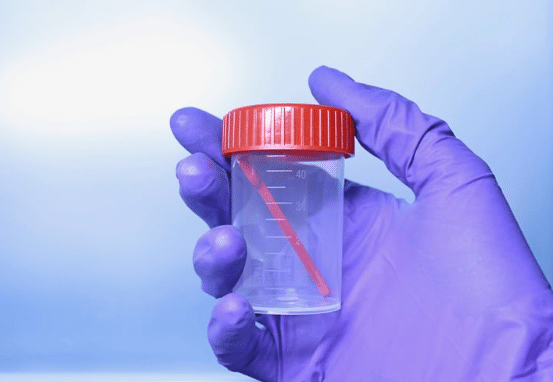
Sample type: stool (often includes an unpreserved stool sample, depending on kit instructions).
Methods used (high level):
-
Real-time PCR and deep metagenomic PCR are used for microbial detection/profiling in stool.
-
ELISA is used for several inflammation/digestion markers (example markers include calprotectin, zonulin, sIgA, lactoferrin, and others).
-
LC-MS/MS is used for metabolites like SCFAs, bile acids, and neurotransmitter-related markers.
How results are reported
Your report is organized into clear sections and typically displays results with risk indicators (commonly shown as green/yellow/red for low/moderate/high risk patterns, depending on the marker group). Reference ranges are based on healthy adult cohorts (and pediatric reference ranges may not be available for some sections).
Important note about interpretation (please read)
This type of testing is designed to support wellness assessment and should be interpreted in the context of symptoms, history, and clinical judgment. Antibody titers do not diagnose infection, and results should be reviewed with a qualified clinician before making major changes to diet, exercise, medications, or supplements.
Regulatory & medical disclaimer
This test is a laboratory-developed test (LDT). The performance characteristics were determined by a CLIA-certified laboratory, and the test has not been cleared or approved by the U.S. Food and Drug Administration (FDA).
Educational information only: The information provided on this page is for educational purposes and is not intended to diagnose, treat, cure, or prevent any disease. Always work with a licensed healthcare provider for medical decisions.