
Butyrate: Your Gut / Brain Connection and the Importance of Butyrate
Butyrate and Brain Health: The Gut Compound That Could Save Your Memory
Your gut might be screaming warnings about Alzheimer’s disease—right now—and you’re not hearing them. That “gut feeling” isn’t just metaphorical. It’s a sophisticated communication network that could hold the key to preventing cognitive decline, and it all comes down to a compound most doctors never mention: butyrate.
Three months ago, Rebecca walked into my clinic and said something that stopped me cold: “I stood in front of my classroom and couldn’t remember my students’ names. Kids I’d been teaching for six months.” At 58, she was terrified this was the beginning of something irreversible.
What we discovered changed everything—not just for Rebecca, but for how I approach brain health with every patient.
Table of Contents
- The Gut-Brain Axis: Your Body’s Communication Superhighway
- What Is Butyrate and Why Does It Matter?
- The Alarming Link Between Low Butyrate and Brain Disease
- Testing Your Butyrate Levels: The GI-MAP Test
- 5 Signs Your Butyrate Levels Might Be Low
- How to Boost Butyrate Naturally
- Rebecca’s Transformation: A Real Success Story
- The Future of Butyrate Research
- Frequently Asked Questions
The Gut-Brain Axis: Your Body’s Communication Superhighway
Here’s something that surprised me early in my practice: the gut contains more neurotransmitters than the brain itself. In fact, about 90% of your body’s serotonin—yes, the “happiness molecule”—is produced in your digestive tract.[^1]
Think of the gut-brain axis as a fiber optic cable running between your digestive system and your brain, transmitting messages both ways at lightning speed. This bidirectional highway operates through four major pathways:
The Vagus Nerve: A direct neural superhighway connecting your gut to your brainstem. When your gut bacteria produce certain compounds, they literally send signals up this nerve that affect your mood, memory, and cognitive function.[^2]
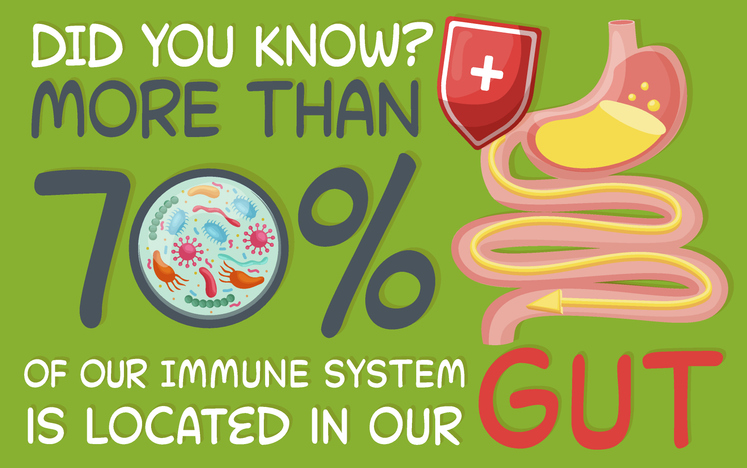
Immune System Interactions: About 70% of your immune system lives in your gut.[^3] When things go wrong there, inflammatory signals don’t stay local—they travel to your brain, potentially triggering neuroinflammation linked to Alzheimer’s and Parkinson’s disease.
Hormonal Signals: Your gut produces dozens of hormones that influence everything from appetite to anxiety. Disruption in gut health means disruption in these delicate hormonal balances.
Microbial Metabolites: This is where butyrate enters the picture—and where the story gets really interesting.
For decades, we treated digestive problems and neurological conditions as completely separate issues. A gastroenterologist handled your gut; a neurologist handled your brain. Never the two shall meet.
We now know that was a catastrophic oversight.
Meet Butyrate: Your Brain’s Best Friend You’ve Never Heard Of
Before your eyes glaze over at the term “short-chain fatty acid,” let me explain butyrate in plain English: it’s a compound created when specific beneficial bacteria in your colon break down dietary fiber.
Simple process. Profound implications.
I always tell my patients: butyrate is like premium fuel for your brain, manufactured right in your own gut—if you feed it properly.
How Butyrate Protects Your Brain
Fortifies the Blood-Brain Barrier
Your blood-brain barrier is like a highly selective security system, keeping toxins and pathogens out while letting nutrients in. Butyrate strengthens the tight junctions in this barrier, preventing harmful compounds from accessing your brain tissue.[^4] When this barrier becomes “leaky,” you’re opening the door to neuroinflammation and cognitive decline.
Reduces Neuroinflammation
Chronic brain inflammation isn’t like the swelling you get from a twisted ankle—it’s a slow, insidious process linked to virtually every neurodegenerative disease. Butyrate acts as a powerful anti-inflammatory agent, modulating immune responses in the brain and keeping inflammation in check.[^5]
Enhances Neurotransmitter Production
Remember that 90% of serotonin is produced in your gut? Butyrate plays a crucial role in this synthesis. It also influences GABA and dopamine production—neurotransmitters essential for mood regulation, focus, and memory.[^6]
Promotes Neuroplasticity
Here’s where it gets exciting: butyrate increases the production of brain-derived neurotrophic factor (BDNF), often called “Miracle-Gro for the brain.”[^7] BDNF helps your brain form new neural connections, which is essential for learning, memory formation, and recovering from cognitive decline.
Regulates Microglial Function
Microglia are your brain’s immune cells. When functioning properly, they’re protective—cleaning up cellular debris and fighting infections. But when they become overactive, they attack healthy brain tissue. Butyrate helps keep these cells in their helpful state rather than their harmful one.[^8]
Essentially, butyrate is a neuroprotective powerhouse, and you manufacture it yourself—or at least, you should be.
The Alarming Link Between Low Butyrate and Brain Disease
When Rebecca first came to see me, she brought a family history that made both of us nervous: her mother had developed Alzheimer’s at 62. “I keep thinking every forgotten word is the beginning,” she admitted.
She wasn’t being paranoid. The research connecting gut health to neurodegenerative disease is now overwhelming.
Alzheimer’s Disease: A Gut Problem?
Multiple studies have found that people with Alzheimer’s disease have:[^9]
- Significantly lower levels of butyrate-producing bacteria
- Increased intestinal permeability (“leaky gut”)
- Elevated inflammatory markers in both gut and brain
- Disrupted blood-brain barrier function
- Accelerated accumulation of amyloid plaques (the hallmark of Alzheimer’s)
Even more compelling: animal studies show that supplementing with butyrate can reduce amyloid plaque buildup and improve memory function.[^10] In one study, mice genetically predisposed to Alzheimer’s showed a 50% reduction in plaque formation when given butyrate.
Now, I’m not saying butyrate is a cure for Alzheimer’s—we’re not there yet. But the evidence suggests it could be a powerful preventive tool, especially when started early.
Parkinson’s Disease: It May Start in Your Gut
Here’s something that shocked me when I first read the research: digestive symptoms often appear in Parkinson’s patients 10-20 years before the characteristic tremors begin.[^11]
Ten to twenty years.
That’s not a coincidence. That’s a warning sign we’ve been ignoring.
Research shows that people with Parkinson’s disease have:[^12]
- Markedly reduced diversity of gut bacteria
- Significantly fewer butyrate-producing species
- Chronic constipation and other GI issues that precede motor symptoms
- Signs that the disease pathology may actually begin in the gut and travel to the brain via the vagus nerve
Some researchers now believe Parkinson’s isn’t primarily a brain disease at all—it’s a gut disease that eventually affects the brain.
Other Neurological Conditions
The butyrate connection extends beyond just Alzheimer’s and Parkinson’s:
- Depression and Anxiety: Low butyrate levels correlate with mood disorders[^13]
- Autism Spectrum Disorders: Children with ASD often show reduced butyrate-producing bacteria[^14]
- Multiple Sclerosis: Butyrate may help regulate the autoimmune response affecting the nervous system[^15]
The common thread? When your gut can’t produce adequate butyrate, your brain suffers.
Testing Your Butyrate Levels: The GI-MAP Breakthrough
“So how do I know if my gut is making enough butyrate?” Rebecca asked during that first appointment.
Great question. Until recently, we were essentially flying blind.
The GI-MAP (Gastrointestinal Microbial Assay Plus) with Zonulin and OMX is an advanced DNA-based stool test that has revolutionized how we assess gut health. Unlike older culture-based tests that could detect only bacteria that grow in a lab, the GI-MAP uses quantitative PCR to identify and quantify virtually all microorganisms in your gut—including those that produce butyrate.
Order your GI-MAP test kit here to get started with comprehensive gut health testing.
What the GI-MAP Reveals About Your Butyrate Production
Key Butyrate-Producing Bacteria:
The test quantifies the specific species responsible for butyrate production:
- Faecalibacterium prausnitzii: The superstar of butyrate production. In a healthy gut, this species should make up about 15% of your total gut bacteria.[^16] When I see levels below 5%, I know we have work to do.
- Roseburia species: These bacteria specialize in breaking down dietary fiber into butyrate. Low levels often indicate inadequate fiber intake.
- Eubacterium rectale: Another major contributor to butyrate synthesis, particularly important for colon health.
Supporting Players:
- Akkermansia muciniphila: While not a direct butyrate producer, this species maintains the gut lining and creates an environment where butyrate-producers thrive.[^17]
Pathogen Detection:
The test identifies harmful bacteria that can suppress butyrate production:
- Clostridioides difficile (C. diff)
- Pathogenic E. coli strains
- Klebsiella species
- Salmonella and Shigella
Inflammation Markers:
- Calprotectin: Elevated levels indicate intestinal inflammation
- Lysozyme: Another inflammation marker that helps assess gut barrier integrity
- Secretory IgA: Measures your gut’s immune function
Digestive Function:
The test also evaluates:
- Pancreatic enzyme production (elastase)
- Fat absorption (steatocrit)
- Intestinal permeability (zonulin)
All of these factors influence whether your gut can effectively produce butyrate.
5 Signs Your Butyrate Levels Might Be Low
Before we even ran Rebecca’s test, I had strong suspicions based on her symptoms. Here’s what to watch for:
1. Brain Fog and Memory Issues Difficulty concentrating, forgetting names or words, feeling mentally “cloudy”—especially if these symptoms are worsening or appearing for the first time.
2. Digestive Complaints Chronic bloating, irregular bowel movements (especially constipation), excessive gas, or a history of inflammatory bowel conditions.
3. Mood Changes Increased anxiety, depression, or emotional volatility that doesn’t have an obvious cause. Remember: 90% of serotonin is produced in the gut.
4. Frequent Infections Your gut houses 70% of your immune system. Low butyrate often means compromised immunity, leading to frequent colds, infections, or slow healing.
5. Food Sensitivities Developing new sensitivities to foods you previously tolerated well often indicates compromised gut barrier function—something butyrate normally protects against.
If you’re experiencing three or more of these symptoms, testing your gut microbiome—and specifically your butyrate production—is worth considering.
How to Boost Butyrate Naturally: Your Action Plan
Here’s what I love about butyrate: unlike some biomarkers that require expensive interventions, you can significantly increase your production through diet and lifestyle changes. No prescription required. It is still strongly recommended you discuss this plan with your health care provider of choice to help guide you on your plan. There is no set protocol that meets everyones needs.
Feed Your Butyrate Producers: The Essential Foods
I always tell my patients: if your great-grandmother wouldn’t recognize it, your gut bacteria probably won’t either. Stick to real, whole foods—especially these:
Resistant Starch Champions:
These foods literally resist digestion in your small intestine, arriving intact in your colon where butyrate-producing bacteria feast on them:
- Green (unripe) bananas and plantains: One of the richest sources of resistant starch
- Cooked and cooled potatoes: The cooling process creates resistant starch that wasn’t there when the potato was hot
- Cooked and cooled rice: Same principle—cooling restructures the starch
- Oats and barley: Particularly effective when eaten as overnight oats
- Legumes: Beans, lentils, and chickpeas are butyrate production powerhouses
Prebiotic-Rich Vegetables:
- Jerusalem artichokes (sunchokes): Extremely high in inulin, a favorite food of beneficial bacteria
- Garlic and onions: Don’t skimp on these—they’re prebiotic gold
- Leeks and asparagus: Excellent fiber sources
- Jicama: Crunchy, slightly sweet, and packed with prebiotic fiber
Diversity Is Key:
Here’s a goal I give every patient: aim for 30 different plant foods per week. Research shows that people who eat 30+ different plant foods weekly have significantly more diverse gut microbiomes than those eating 10 or fewer.[^18]
And no, this isn’t as hard as it sounds. A stir-fry with 5 different vegetables, a mixed green salad, a handful of nuts, some berries—you’re already at 10-12 foods.
Polyphenol-Rich Foods:
These compounds not only feed beneficial bacteria but also reduce inflammation:
- Berries: Blueberries, strawberries, raspberries, blackberries
- Dark chocolate: 70% cacao or higher (yes, this is doctor’s orders)
- Green tea: Multiple studies show green tea polyphenols promote butyrate-producing bacteria[^19]
- Extra virgin olive oil: A Mediterranean diet staple for good reason
- Colorful vegetables: Purple cabbage, red peppers, deep orange sweet potatoes
Fermented Foods:
These provide both beneficial bacteria and the compounds they produce:
- Kimchi and sauerkraut: Rich in Lactobacillus species that support butyrate producers
- Kefir: More diverse bacterial strains than yogurt
- Kombucha: Provides both probiotics and polyphenols
- Miso and tempeh: Excellent plant-based options
Sample Day of Butyrate-Boosting Eating
Breakfast: Overnight oats (resistant starch) with berries (polyphenols), ground flaxseed (fiber), and a dollop of kefir (probiotics)
Lunch: Large mixed salad with chickpeas (resistant starch), colorful vegetables (diversity + fiber), olive oil dressing (polyphenols), and a side of kimchi (fermented food)
Snack: Green banana with almond butter, or jicama sticks with guacamole
Dinner: Grilled salmon with roasted Jerusalem artichokes and asparagus, plus a side of cooked-and-cooled potato salad
Evening: Small piece of dark chocolate with green tea
Notice: this isn’t a restrictive diet. It’s adding in beneficial foods rather than focusing on what to eliminate.
Butyrate-Boosting Foods: Your Quick Reference Guide
| Food Category | Best Choices | Why It Works | How to Use |
|---|---|---|---|
| Resistant Starch | Green bananas, cooked & cooled potatoes/rice, oats | Reaches colon intact to feed butyrate producers | Cook starches ahead; let cool before eating |
| Prebiotic Vegetables | Jerusalem artichokes, garlic, onions, and leeks | High in inulin and other prebiotic fibers | Add to every meal; don’t overcook |
| Legumes | Lentils, chickpeas, black beans | Packed with fiber and resistant starch | Add to salads, soups, or grain bowls |
| Polyphenol Foods | Berries, dark chocolate, green tea | Feed beneficial bacteria + reduce inflammation | Daily intake; variety is key |
| Fermented Foods | Kimchi, sauerkraut, kefir | Provide probiotics that support butyrate producers | Small serving daily (2-4 tbsp) |
Lifestyle Strategies That Matter
Diet is crucial, but it’s not the whole picture. Here’s what else influences your butyrate production:
Manage Stress:
Chronic stress directly alters your gut microbiome composition, reducing beneficial bacteria and increasing harmful ones.[^20] When Rebecca started practicing 10 minutes of meditation daily, she noticed improvements in her digestion within two weeks—before we saw changes in her test results.
Effective practices:
- Daily meditation or deep breathing
- Regular yoga or tai chi
- Time in nature
- Meaningful social connections
Prioritize Sleep:
Your gut microbiome follows a circadian rhythm, just like you do. Disrupted sleep means disrupted gut bacteria.[^21] Aim for 7-9 hours of quality sleep nightly.
Stay Active:
Exercise increases microbial diversity and specifically boosts butyrate-producing bacteria.[^22] The sweet spot appears to be moderate exercise—about 30-40 minutes of movement most days. More isn’t necessarily better; excessive exercise can actually harm gut health.
Use Antibiotics Judiciously:
I’m not anti-antibiotic—they save lives. But they’re also one of the most devastating things you can do to your gut microbiome, sometimes reducing butyrate-producing bacteria by 90% or more.[^23]
When antibiotics are necessary:
- Take a high-quality probiotic during and after treatment
- Load up on prebiotic foods
- Consider a butyrate supplement during recovery
- Give your gut at least 3-6 months to recover fully
Avoid Unnecessary Gut Disruptors:
- Artificial sweeteners (they alter gut bacteria composition)[^24]
- Excessive alcohol
- Chronic NSAID use (ibuprofen, naproxen)
- Processed foods with emulsifiers
Why Your Probiotic Might Not Be Helping Your Butyrate Levels
Here’s something that frustrates me: people spend $50-100 monthly on probiotics that don’t address their actual problem.
Most commercial probiotics contain Lactobacillus and Bifidobacterium strains. These are beneficial bacteria, but they’re not the ones producing butyrate. They’re supporting actors, not the main stars.
It’s like buying fertilizer for your tomatoes when what you actually planted was lettuce.
A better approach: focus first on feeding the butyrate-producers you already have through dietary fiber and resistant starch. Then, if testing shows you need additional support, work with a practitioner to choose targeted strains.
Targeted Supplementation: When Food Isn’t Enough
Sometimes—particularly if you’re recovering from antibiotic use, have inflammatory bowel disease, or show severely depleted butyrate producers on testing—supplementation makes sense.
Butyrate Supplements:
Direct butyrate supplementation can help during recovery. Look for:
- Sodium butyrate or calcium-magnesium butyrate: Generally well-tolerated
- Enteric-coated formulations: Ensures the butyrate reaches your colon rather than being absorbed in the small intestine
- Typical dose: 500-1000mg daily, but work with a practitioner for personalized dosing
Spore-Based Probiotics:
These hardy bacteria can survive stomach acid and colonize your gut more effectively than traditional probiotics. Some strains, particularly Bacillus subtilis and Bacillus coagulans, have been shown to increase butyrate production.[^25]
Specific Probiotic Strains:
If supplementing with probiotics, look for research-backed strains:
- Bifidobacterium longum
- Lactobacillus plantarum
- Akkermansia muciniphila (now available as a supplement in Europe)
Prebiotics:
Concentrated prebiotic supplements can help, especially if you struggle to get enough fiber from food:
- Inulin powder: Start low (1-2g) and increase slowly to avoid gas and bloating
- FOS (fructooligosaccharides): Another effective prebiotic
- GOS (galactooligosaccharides): Particularly good for supporting Bifidobacteria
- PHGG (partially hydrolyzed guar gum): Well-tolerated even by sensitive guts
Plant-Based Extracts:
Certain polyphenol extracts can support beneficial bacteria:
- Grape seed extract
- Green tea extract (EGCG)
- Pomegranate extract
- Curcumin (from turmeric)
Important note: I never recommend starting all of these at once. That’s a recipe for not knowing what’s working and potentially overwhelming your system. We typically introduce one thing at a time, assess response, then add others if needed.
Rebecca’s Transformation: A Real Success Story
Let me take you back to Rebecca’s journey, because her results illustrate what’s possible when you systematically address butyrate production.
The Starting Point
When Rebecca first came to see me, she was scared. “I’m too young for this to be just aging,” she said, fighting back tears. “My mom was 62 when Alzheimer’s started. I’m 58. Every time I forget something, I panic.”
Her symptoms included:
- Persistent brain fog
- Difficulty recalling words mid-sentence
- Memory lapses (forgetting students’ names, why she entered a room)
- Chronic bloating and irregular bowel movements
- Fatigue that wasn’t relieved by sleep
- Increased anxiety
Her GI-MAP results told a stark story:
- Faecalibacterium prausnitzii: 2.3% of gut flora (optimal is 15%)
- Roseburia species: Barely detectable
- Calprotectin: 187 µg/g (normal is <50)
- Multiple pathogenic bacteria overgrowths
- Severely compromised microbial diversity
“Is this reversible?” she asked, staring at the results.
“I’ve seen it happen dozens of times,” I told her. “But you need to commit to the process.”
The Protocol “We” Developed Together
We created a customized plan that included:
Dietary Changes:
- Added resistant starch daily (green bananas, cooked and cooled potatoes)
- Increased vegetable diversity to 30+ different plant foods weekly
- Incorporated fermented foods (started with 1 tablespoon of sauerkraut daily, gradually increased)
- Added prebiotic-rich foods at every meal
- Significantly reduced processed foods and artificial sweeteners
Lifestyle Modifications:
- 10 minutes of meditation each morning
- 30-minute walks four times per week
- Strict sleep hygiene (7.5-8 hours nightly)
- Stress management techniques for her high-pressure teaching job
Targeted Supplements:
- Butyrate supplement (600mg twice daily) for the first two months
- Spore-based probiotic
- Prebiotic powder (inulin, starting at 2g and working up to 6g)
- Curcumin for inflammation support
- Omega-3 fish oil
“The first month was tough,” Rebecca admitted later. “I wanted instant results, and nothing seemed to be changing. I almost quit.”
But by week 6, something shifted. “I woke up one morning and realized I felt…clear. It’s hard to explain, but it was like someone had wiped a foggy windshield.”
The Three-Month Results
When we retested Rebecca’s gut after 12 weeks, even I was impressed:
Microbiome Changes:
- Faecalibacterium prausnitzii: 14.8% (218% increase!)
- Roseburia species: Now robust and detectable
- Overall microbial diversity: Increased by 156%
Inflammation Markers:
- Calprotectin: 37 µg/g (80% reduction, now in normal range)
- Lysozyme: Normalized
- Secretory IgA: Improved from low to optimal range
Most Importantly—Her Symptoms:
- Brain fog: 90% improved (“I feel like myself again”)
- Memory: No more concerning lapses
- Energy: “I’m not dragging by 2pm anymore”
- Digestion: Regular, no bloating
- Mood: Anxiety significantly reduced
- Sleep: Deeper, more restorative
“I didn’t even realize how foggy I’d gotten until the fog lifted,” Rebecca told me at our follow-up. “I’m remembering names, following conversations better, and I feel present in my own life again. My husband said it’s like having the ‘old Rebecca’ back.”
Six months later, she maintains her results with diet and lifestyle alone—no more supplements needed.
What Made the Difference?
Rebecca’s success wasn’t about a single magic bullet. It was the combination of:
- Identifying the root cause through proper testing
- Comprehensive approach addressing diet, lifestyle, and targeted supplementation
- Consistency even when results weren’t immediately visible
- Personalization to her specific test results and symptoms
- Patience giving her gut time to heal and rebalance
Could Rebecca’s cognitive symptoms have progressed to something more serious if left unaddressed? We’ll never know for certain. But given her family history and the clear connection between low butyrate and neurodegeneration, I’m convinced we caught a warning sign in time.
The Future of Butyrate and Brain Health Research
The field of gut-brain research is exploding. What seemed like fringe science just a decade ago is now mainstream medicine. Here’s what’s on the horizon:
Designer Probiotics
Researchers are developing genetically engineered probiotic strains specifically designed to enhance butyrate production in the gut. These “precision probiotics” could be tailored to individual microbiome profiles.[^26]
Early trials show promise, but we’re still 3-5 years away from commercial availability.
Next-Generation Testing
Current tests like the GI-MAP tell us which bacteria are present. The next generation will tell us what those bacteria are actually doing—measuring real-time metabolite production, including butyrate levels in stool samples.[^27]
This will eliminate the guesswork: we’ll know exactly how much butyrate you’re producing, not just whether you have the bacteria capable of producing it.
Fecal Microbiota Transplantation (FMT) for Brain Health
Fecal transplants—yes, it’s exactly what it sounds like—have been revolutionary for treating C. difficile infections. Now researchers are exploring whether FMT could help prevent or slow neurodegenerative diseases.[^28]
Early animal studies are promising: mice receiving fecal transplants from healthy donors show improved cognitive function and reduced Alzheimer’s pathology.
Human trials are underway for Parkinson’s disease, with preliminary results showing improvements in both gut and motor symptoms.[^29]
Butyrate-Boosting Medications
Pharmaceutical companies are developing drugs that stimulate your body’s natural butyrate production pathways. Unlike simple butyrate supplements, these medications would work more like a dimmer switch, helping your gut bacteria produce optimal amounts continuously.[^30]
Microbiome-Based Diagnostics
Within 5-10 years, I expect gut microbiome testing to become a standard part of annual health screenings, particularly for people with family histories of neurodegenerative disease.
Imagine catching the warning signs of Alzheimer’s or Parkinson’s 20 years before symptoms appear—while there’s still time to intervene effectively.
Personalized Nutrition Based on Your Microbiome
We’re moving toward a future where dietary recommendations aren’t generic but tailored to your specific gut bacteria. Your GI-MAP results would generate a personalized nutrition plan optimized for your unique microbiome composition.
Some companies already offer this, but the science is still maturing. In 5 years, it will be far more sophisticated and accurate.
Frequently Asked Questions About Butyrate and Brain Health
How long does it take to increase butyrate production?
Most people see measurable improvements in gut bacteria within 6-12 weeks of dietary changes, though some notice symptom improvements sooner. Rebecca felt better at week 6, and her test results at 12 weeks confirmed the microbiome changes. Severely depleted microbiomes may take 3-6 months to rebuild significantly.
Can I just take butyrate supplements instead of changing my diet?
You could, but you’d be missing the bigger picture. Butyrate supplements can be helpful short-term or during recovery, but they don’t address the underlying issue: an ecosystem that can’t produce butyrate on its own. Sustainable results require feeding your own butyrate-producing bacteria through diet. Think of supplements as training wheels, not a permanent solution.
Is the GI-MAP test covered by insurance?
DTC Labs (Ones you order yourself can never be submitted for reimbursement). Coverage varies significantly. Some insurance plans cover it with a diagnosis code for GI symptoms; others don’t cover it at all. The out-of-pocket cost typically ranges from $400-600. Many patients find it’s worth the investment given the comprehensive information it provides. Check with your insurance provider and ask about getting it covered under preventive care or with a letter of medical necessity.
What if I can’t eat a lot of fiber due to digestive sensitivity?
Start very slowly—even just 1-2 grams of additional fiber daily—and increase gradually over weeks or months. Consider working with a practitioner experienced in low-FODMAP diets or SIBO protocols, as these conditions require a more careful approach. Soluble fiber (like PHGG) is often better tolerated than insoluble fiber initially. Some people need to address underlying gut issues (like SIBO or inflammation) before they can tolerate increased fiber.
Are there any risks to boosting butyrate?
For most people, no. The strategies discussed—eating more fiber, fermented foods, and diverse plant foods—are universally recognized as health-promoting. The main “side effect” is temporary gas and bloating if you increase fiber too quickly (hence the recommendation to go slowly). Butyrate supplements are generally safe, though people with short bowel syndrome should consult a physician first. If you have inflammatory bowel disease, work with your gastroenterologist before making major dietary changes.
Can children benefit from butyrate optimization?
Absolutely. In fact, establishing a healthy, diverse microbiome early in life may be one of the most important things we can do for long-term health. The same principles apply: diverse plant foods, limited processed foods, outdoor play (exposure to diverse environmental microbes), and judicious use of antibiotics. Some research suggests that microbiome health in childhood influences neurodevelopment and may affect risk for conditions like ADHD, autism, and mood disorders.
I’m already eating a healthy diet. Why might my butyrate still be low?
Several factors beyond diet affect butyrate production: chronic stress, inadequate sleep, certain medications (especially PPIs and NSAIDs), previous antibiotic use, undiagnosed gut infections, and genetic factors affecting microbiome composition. This is why testing is valuable—it shows whether your efforts are working or if there are underlying issues to address.
What’s the difference between prebiotics and probiotics?
Think of prebiotics as food for beneficial bacteria (fiber, resistant starch, etc.) and probiotics as actual beneficial bacteria you’re introducing. You need both, but prebiotics are generally more important because they feed the trillions of bacteria already living in your gut. A probiotic capsule might contain 10-50 billion bacteria—sounds like a lot, but your gut already contains 100 trillion. Feeding your existing bacteria is usually more effective than trying to import new ones.
Can I reverse cognitive decline that’s already started?
The research here is still emerging. What we know: early intervention offers the best chance of slowing or halting progression. Some people, like Rebecca, experience significant cognitive improvements when addressing gut health, but she caught it relatively early. Once significant structural brain damage has occurred (advanced Alzheimer’s, for example), restoration is much more difficult. That said, optimizing butyrate production can still improve quality of life, mood, and potentially slow further decline even in later stages.
How often should I retest my gut microbiome?
For initial protocol adjustments, I typically retest at 12-16 weeks. Once you’ve achieved optimal results, annual testing is reasonable for maintenance—or sooner if symptoms return. If you need to take antibiotics or experience major health changes, retesting 2-3 months afterward helps ensure recovery. Think of it like getting annual bloodwork: a check-in to catch issues before they become problems.
Final Thoughts: Your Gut Is Talking—Are You Listening?
A year ago, if you’d told Rebecca that her memory problems were related to her gut bacteria, she would have been skeptical. “I came to you for brain fog,” she laughs now, “and you had me eating fermented vegetables. I thought you were crazy.”
But the science is unequivocal: your gut and your brain are inextricably connected, and butyrate is one of the most important molecules mediating that connection.
Here’s what strikes me most about butyrate: it represents a fundamental shift in how we think about brain health. We’ve spent billions trying to develop drugs that might slow Alzheimer’s or Parkinson’s, with minimal success. Meanwhile, one of our most powerful tools for prevention has been literally inside us all along—we just weren’t paying attention to it.
The exciting part? You don’t need to wait for pharmaceutical breakthroughs or expensive interventions. You can start supporting your butyrate production today with simple, accessible changes:
- Add a green banana to your morning smoothie
- Include more diverse vegetables in your meals
- Experiment with fermented foods
- Manage your stress
- Prioritize your sleep
- Move your body regularly
And if you’re experiencing cognitive symptoms, digestive issues, or have a family history of neurodegenerative disease, consider testing. Knowledge is power, and your GI-MAP results can provide a roadmap for personalized intervention.
Order your GI-MAP test kit here to discover your personal butyrate production levels and get a comprehensive view of your gut health.
Your gut is already talking to your brain—every moment of every day. The question is: are you giving it the right message?
References
[^1]: O’Mahony SM, Clarke G, Borre YE, Dinan TG, Cryan JF. Serotonin, tryptophan metabolism and the brain-gut-microbiome axis. Behavioural Brain Research. 2015;277:32-48.
[^2]: Breit S, Kupferberg A, Rogler G, Hasler G. Vagus nerve as modulator of the brain-gut axis in psychiatric and inflammatory disorders. Frontiers in Psychiatry. 2018;9:44.
[^3]: Vighi G, Marcucci F, Sensi L, Di Cara G, Frati F. Allergy and the gastrointestinal system. Clinical & Experimental Immunology. 2008;153(Suppl 1):3-6.
[^4]: Braniste V, Al-Asmakh M, Kowal C, et al. The gut microbiota influences blood-brain barrier permeability in mice. Science Translational Medicine. 2014;6(263):263ra158.
[^5]: Bourassa MW, Alim I, Bultman SJ, Ratan RR. Butyrate, neuroepigenetics and the gut microbiome: Can a high fiber diet improve brain health? Neuroscience Letters. 2016;625:56-63.
[^6]: Silva YP, Bernardi A, Frozza RL. The role of short-chain fatty acids from gut microbiota in gut-brain communication. Frontiers in Endocrinology. 2020;11:25.
[^7]: Sun J, Wang F, Hong G, et al. Antidepressant-like effects of sodium butyrate and its possible mechanisms of action in mice exposed to chronic unpredictable mild stress. Neuroscience Letters. 2016;618:159-166.
[^8]: Matt SM, Allen JM, Lawson MA, Mailing LJ, Woods JA, Johnson RW. Butyrate and dietary soluble fiber improve neuroinflammation associated with aging in mice. Frontiers in Immunology. 2018;9:1832.
[^9]: Vogt NM, Kerby RL, Dill-McFarland KA, et al. Gut microbiome alterations in Alzheimer’s disease. Scientific Reports. 2017;7(1):13537.
[^10]: Fang P, Kazmi SA, Jameson KG, Hsiao EY. The microbiome as a modifier of neurodegenerative disease risk. Cell Host & Microbe. 2020;28(2):201-222.
[^11]: Scheperjans F, Aho V, Pereira PAB, et al. Gut microbiota are related to Parkinson’s disease and clinical phenotype. Movement Disorders. 2015;30(3):350-358.
[^12]: Sampson TR, Debelius JW, Thron T, et al. Gut microbiota regulate motor deficits and neuroinflammation in a model of Parkinson’s disease. Cell. 2016;167(6):1469-1480.e12.
[^13]: Skonieczna-Żydecka K, Grochans E, Maciejewska D, et al. Faecal short chain fatty acids profile is changed in Polish depressive women. Nutrients. 2018;10(12):1939.
[^14]: Kang DW, Adams JB, Gregory AC, et al. Microbiota Transfer Therapy alters gut ecosystem and improves gastrointestinal and autism symptoms: An open-label study. Microbiome. 2017;5(1):10.
[^15]: Haghikia A, Jörg S, Duscha A, et al. Dietary fatty acids directly impact central nervous system autoimmunity via the small intestine. Immunity. 2015;43(4):817-829.
[^16]: Miquel S, Martín R, Rossi O, et al. Faecalibacterium prausnitzii and human intestinal health. Current Opinion in Microbiology. 2013;16(3):255-261.
[^17]: Everard A, Belzer C, Geurts L, et al. Cross-talk between Akkermansia muciniphila and intestinal epithelium controls diet-induced obesity. Proceedings of the National Academy of Sciences. 2013;110(22):9066-9071.
[^18]: McDonald D, Hyde E, Debelius JW, et al. American Gut: an open platform for citizen science microbiome research. mSystems. 2018;3(3):e00031-18.
[^19]: Carmody RN, Turnbaugh PJ. Host-microbial interactions in the metabolism of therapeutic and diet-derived xenobiotics. Journal of Clinical Investigation. 2014;124(10):4173-4181.
[^20]: Madison A, Kiecolt-Glaser JK. Stress, depression, diet, and the gut microbiota: human-bacteria interactions at the core of psychoneuroimmunology and nutrition. Current Opinion in Behavioral Sciences. 2019;28:105-110.
[^21]: Thaiss CA, Zeevi D, Levy M, et al. Transkingdom control of microbiota diurnal oscillations promotes metabolic homeostasis. Cell. 2014;159(3):514-529.
[^22]: Allen JM, Mailing LJ, Niemiro GM, et al. Exercise alters gut microbiota composition and function in lean and obese humans. Medicine & Science in Sports & Exercise. 2018;50(4):747-757.
[^23]: Palleja A, Mikkelsen KH, Forslund SK, et al. Recovery of gut microbiota of healthy adults following antibiotic exposure. Nature Microbiology. 2018;3(11):1255-1265.
[^24]: Suez J, Korem T, Zeevi D, et al. Artificial sweeteners induce glucose intolerance by altering the gut microbiota. Nature. 2014;514(7521):181-186.
[^25]: Elshaghabee FMF, Rokana N, Gulhane RD, Sharma C, Panwar H. Bacillus as potential probiotics: Status, concerns, and future perspectives. Frontiers in Microbiology. 2017;8:1490.
[^26]: O’Toole PW, Marchesi JR, Hill C. Next-generation probiotics: the spectrum from probiotics to live biotherapeutics. Nature Microbiology. 2017;2:17057.
[^27]: Vernocchi P, Del Chierico F, Putignani L. Gut microbiota profiling: Metabolomics based approach to unravel compounds affecting human health. Frontiers in Microbiology. 2016;7:1144.
[^28]: Sun J, Xu J, Ling Y, et al. Fecal microbiota transplantation alleviated Alzheimer’s disease-like pathogenesis in APP/PS1 transgenic mice. Translational Psychiatry. 2019;9(1):189.
[^29]: Huang H, Xu H, Luo Q, et al. Fecal microbiota transplantation to treat Parkinson’s disease with constipation: A case report. Medicine. 2019;98(26):e16163.
[^30]: Van den Abbeele P, Belzer C, Goossens M, et al. Butyrate-producing Clostridium cluster XIVa species specifically colonize mucins in an in vitro gut model. The ISME Journal. 2013;7(5):949-961.
Health Disclaimer: This article is for informational purposes only and is not intended as medical advice. It is recommended that readers consult with a qualified healthcare provider before making any healthcare decisions or for guidance about a specific medical condition. Individual results may vary. Always consult your physician before beginning any new health protocol, particularly if you have existing medical conditions or are taking medications.